
Contents
- 🎵 Origins & History
- ⚙️ How It Works
- 📊 Key Facts & Numbers
- 👥 Key People & Organizations
- 🌍 Cultural Impact & Influence
- ⚡ Current State & Latest Developments
- 🤔 Controversies & Debates
- 🔮 Future Outlook & Predictions
- 💡 Practical Applications
- 📚 Related Topics & Deeper Reading
- Frequently Asked Questions
- References
- Related Topics
Overview
Photography basics encompass the fundamental principles and techniques that empower individuals to capture stunning images. This includes understanding camera settings such as aperture, shutter speed, and ISO, which are crucial for achieving the desired exposure and artistic effect. Additionally, composition techniques like the rule of thirds and leading lines help photographers create visually appealing images. With the rise of digital photography, learners can explore various styles, from portrait to landscape photography, and develop their unique voice. As photography evolves with technology, mastering these basics remains essential for anyone looking to express their creativity and connect with others through visual storytelling.
🎵 Origins & History
The origins of photography involve the invention of the camera obscura and the contributions of pioneers like Joseph Nicéphore Niépce, who is known for his early work in the field. This marked the beginning of a new art form that would evolve through the contributions of individuals like George Eastman, who made photography accessible to the masses with the introduction of the handheld camera. Over the decades, photography has transformed from a complex process requiring extensive knowledge of chemistry to a more user-friendly medium, thanks to advancements in technology and digital imaging. Today, photography is not only an art form but also a vital tool for communication and documentation across various fields.
⚙️ How It Works
Understanding how photography works involves grasping the key components of a camera, including the lens, sensor, and exposure settings. The exposure triangle plays a crucial role in determining how light interacts with the camera sensor. For instance, a wider aperture (lower f-stop number) allows more light, creating a shallow depth of field ideal for portraits, while a faster shutter speed freezes motion, perfect for action shots. Additionally, learning about composition techniques, such as the rule of thirds and framing, helps photographers create balanced and engaging images that draw the viewer's eye.
📊 Key Facts & Numbers
Photography is a vast field, with millions of enthusiasts worldwide. Digital cameras, including DSLRs and mirrorless models, dominate the market. Social media platforms like Instagram have reportedly fueled interest in photography, with many users sharing images daily. This rise in visual content has made photography skills more relevant than ever, as individuals seek to stand out in a crowded digital landscape.
👥 Key People & Organizations
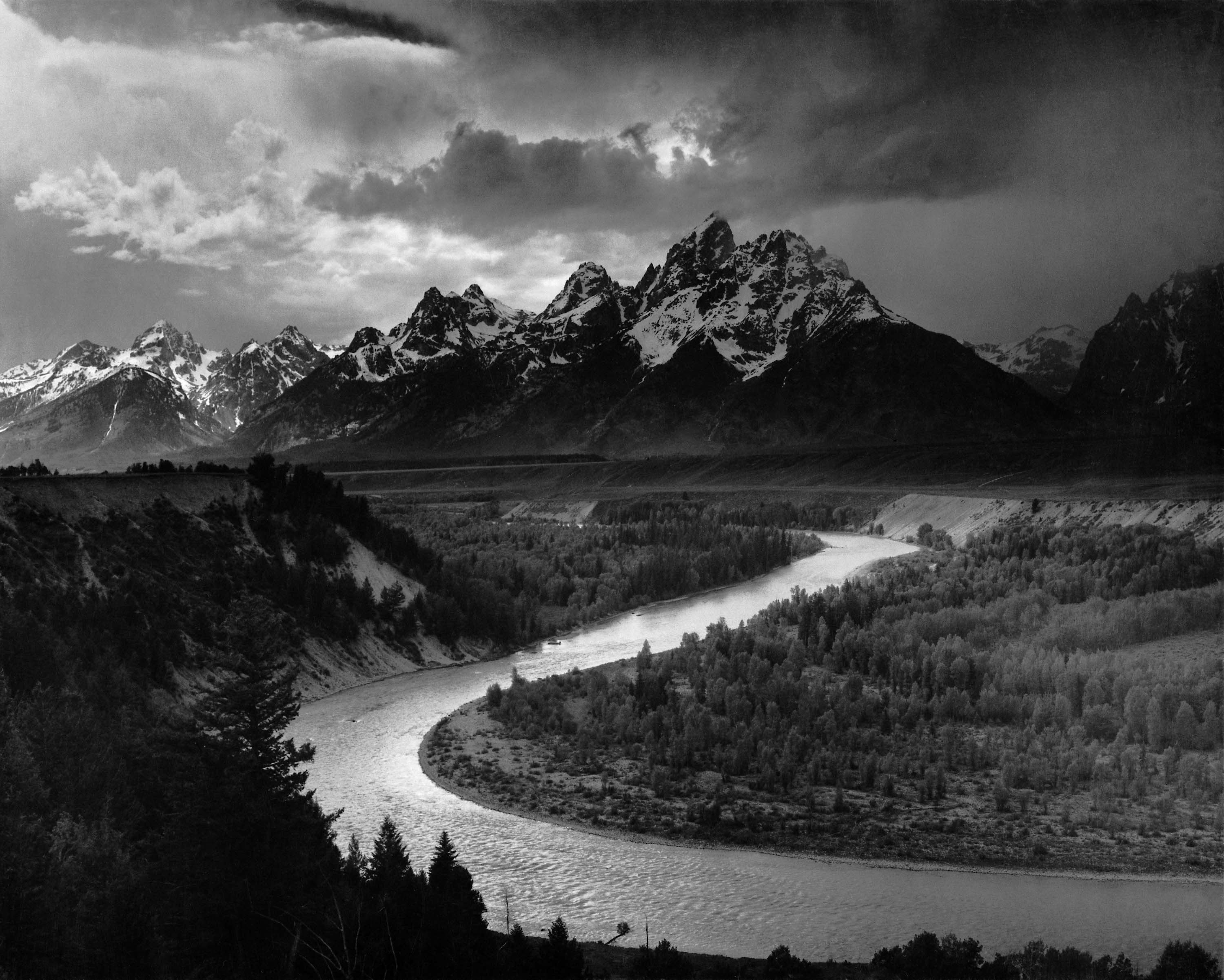
Key figures in the photography world include Ansel Adams, known for his breathtaking landscape photography and advocacy for conservation, and Dorothea Lange, whose poignant images during the Great Depression highlighted social issues. Organizations like the Photographic Society of America and the Royal Photographic Society play significant roles in promoting photography as an art form and providing resources for photographers at all levels. Their contributions help foster a community where learners can connect and grow.
🌍 Cultural Impact & Influence
The impact of photography on culture is profound, shaping how we perceive the world and communicate ideas. From photojournalism capturing pivotal moments in history to art photography challenging societal norms, the medium has the power to evoke emotions and provoke thought. Iconic images, such as Dorothea Lange's 'Migrant Mother,' have become symbols of resilience and humanity. Photography also influences trends in fashion, advertising, and social movements, demonstrating its ability to reflect and shape cultural narratives.
⚡ Current State & Latest Developments
Photography continues to evolve with technological advancements, including artificial intelligence and smartphone capabilities. The rise of computational photography allows for enhanced image processing, enabling users to achieve professional-quality results with minimal effort. Additionally, platforms like Flickr and 500px provide spaces for photographers to showcase their work and connect with others. The growing interest in photography education, through online courses and workshops, highlights a commitment to nurturing talent and fostering creativity in the community.
🤔 Controversies & Debates
Controversies in photography often revolve around issues of ethics, representation, and copyright. Debates about the manipulation of images, particularly in advertising and social media, raise questions about authenticity and the impact on societal standards. The use of photography in journalism also faces scrutiny, as the line between factual reporting and sensationalism can blur. These discussions emphasize the importance of responsible practices and the need for photographers to consider the implications of their work.
🔮 Future Outlook & Predictions
Looking ahead, the future of photography is likely to be shaped by continued technological advancements and shifts in cultural attitudes. Experts predict that the integration of virtual reality and augmented reality will open new avenues for immersive storytelling. As photography becomes increasingly democratized through accessible tools and platforms, the challenge will be to maintain artistic integrity while embracing innovation. Photographers who adapt to these changes and cultivate their unique perspectives will thrive in this dynamic landscape.
💡 Practical Applications
Photography has practical applications across various fields, including marketing, education, and healthcare. Businesses leverage photography for branding and advertising, while educators use it to enhance learning experiences. In healthcare, medical photography plays a crucial role in documenting patient progress and surgical procedures. Additionally, photography is a powerful tool for personal expression, allowing individuals to share their stories and connect with others on a deeper level.
Key Facts
- Year
- 2024
- Origin
- Global
- Category
- creative-skills
- Type
- concept
Frequently Asked Questions
What are the essential camera settings for beginners?
Beginners should focus on mastering the exposure triangle: aperture, shutter speed, and ISO. Aperture controls the amount of light entering the lens and affects depth of field; shutter speed determines how long the sensor is exposed to light, impacting motion blur; and ISO adjusts the sensor's sensitivity to light, allowing for better performance in low-light conditions. Understanding these settings is crucial for achieving the desired exposure and creative effects in photography.
How can I improve my composition in photography?
Improving composition involves applying techniques like the rule of thirds, which suggests dividing the frame into a 3x3 grid and placing subjects along the lines or intersections. Other techniques include leading lines to guide the viewer's eye and framing to create depth. Practicing these methods in various settings can enhance your photographic storytelling and make your images more engaging.
What types of photography can I explore?
There are numerous photography styles to explore, including portrait photography, landscape photography, street photography, and macro photography. Each style offers unique challenges and opportunities.