
Contents
- 🎵 Origins & History
- ⚙️ How It Works
- 📊 Key Facts & Numbers
- 👥 Key People & Organizations
- 🌍 Cultural Impact & Influence
- ⚡ Current State & Latest Developments
- 🤔 Controversies & Debates
- 🔮 Future Outlook & Predictions
- 💡 Practical Applications
- 📚 Related Topics & Deeper Reading
- Frequently Asked Questions
- Related Topics
Overview
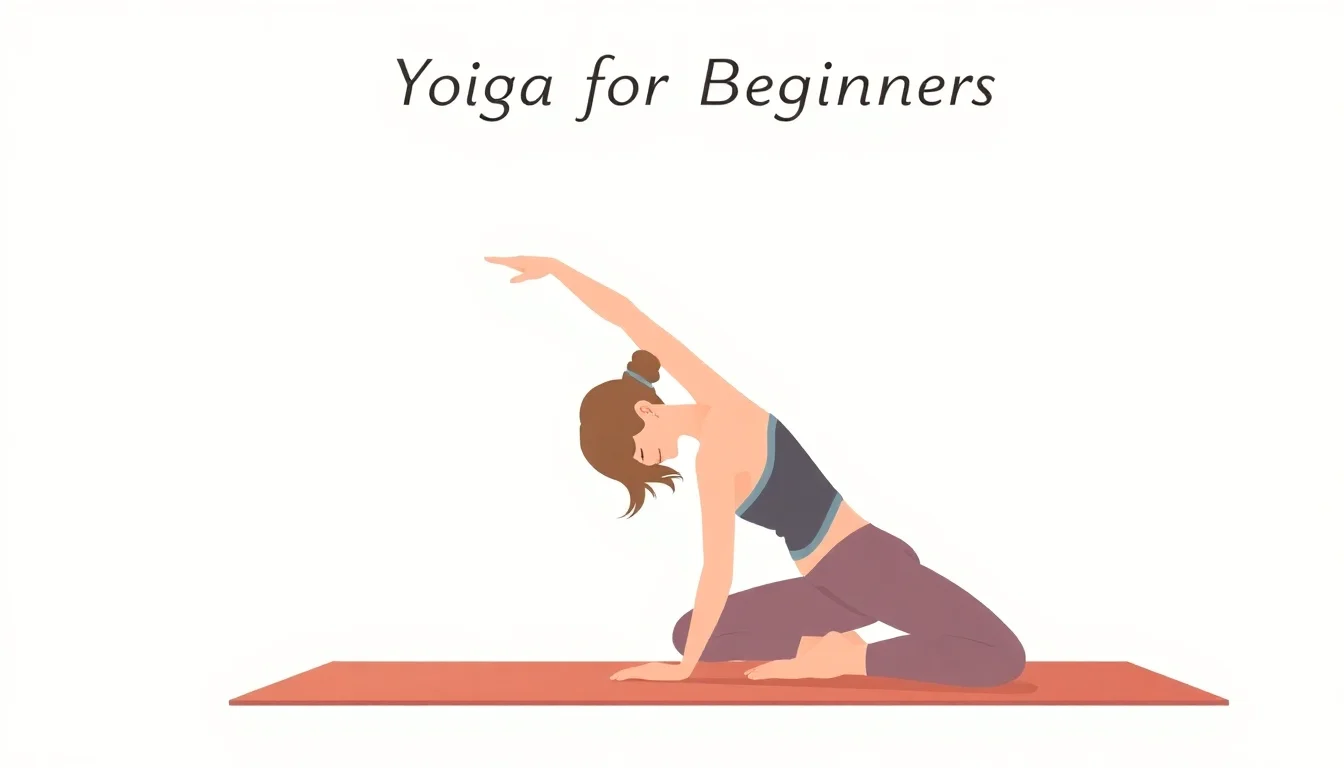
Yoga for beginners is an accessible introduction to the ancient practice of yoga, designed to foster physical, mental, and emotional well-being. This practice emphasizes foundational postures (asanas), breathing techniques (pranayama), and mindfulness, making it suitable for individuals of all ages and fitness levels. With millions of practitioners worldwide, yoga has evolved into a diverse array of styles, from Hatha to Vinyasa, each offering unique benefits. As a beginner, understanding the basics of alignment, breath control, and meditation can significantly enhance your experience and connection to this transformative practice. The global yoga community continues to grow, providing ample resources, classes, and support for those embarking on their yoga journey.
🎵 Origins & History
Yoga has a rich history and has been developed as a holistic system for physical, mental, and spiritual well-being. The practice has evolved into various schools of yoga over time. Key figures like T. Krishnamacharya and B.K.S. Iyengar played significant roles in popularizing yoga in the West, leading to the establishment of various styles, including Hatha and Iyengar yoga. The introduction of yoga to Western audiences marked a significant cultural shift, as it began to be embraced not just as a physical practice but as a pathway to mindfulness and self-discovery.
⚙️ How It Works
Yoga for beginners typically involves a series of foundational postures (asanas) that promote flexibility, strength, and balance. Classes often start with gentle warm-ups, followed by basic poses like Downward Dog, Warrior I, and Child's Pose. Breathing techniques (pranayama) are integrated to enhance relaxation and focus. Many instructors emphasize proper alignment to prevent injury and maximize benefits. Beginners are encouraged to listen to their bodies and progress at their own pace, fostering a supportive environment that encourages exploration and self-awareness.
📊 Key Facts & Numbers
The yoga community is witnessing a surge in online classes and virtual workshops, a trend accelerated by the COVID-19 pandemic. Many practitioners have adapted to digital platforms, allowing for greater accessibility and flexibility in practice. Additionally, there is a growing emphasis on inclusivity and diversity within the yoga community, with initiatives aimed at making yoga more welcoming to individuals of all backgrounds and abilities. Experts predict that the integration of technology will further enhance personalized learning experiences in yoga.
👥 Key People & Organizations
Key figures in the yoga community include B.K.S. Iyengar, who revolutionized the practice with his emphasis on alignment and the use of props, and Patanjali, the ancient sage credited with compiling the Yoga Sutras, which outline the philosophical foundations of yoga. Organizations such as the Yoga Alliance play a crucial role in setting standards for teacher training and promoting safe practices within the community. These individuals and organizations have significantly shaped the way yoga is taught and practiced today.
🌍 Cultural Impact & Influence
Yoga has profoundly influenced modern culture, contributing to the wellness movement and shaping fitness trends. Its principles of mindfulness and self-care have permeated various fields, including psychology, education, and corporate wellness programs. The rise of social media has also amplified the visibility of yoga, with platforms like Instagram showcasing diverse practitioners and styles, fostering a sense of community and connection among yogis worldwide.
⚡ Current State & Latest Developments
Controversies surrounding yoga often focus on cultural appropriation, commercialization, and the authenticity of practices. Some argue that the Western adaptation of yoga has diluted its spiritual and cultural significance, while others advocate for a more inclusive approach that respects its roots. Additionally, debates arise over the commercialization of yoga, with concerns about the accessibility of classes and the pressure to conform to specific body ideals. These discussions highlight the need for ongoing dialogue within the community to navigate these complex issues.
🤔 Controversies & Debates
Looking ahead, the future of yoga for beginners appears promising, with continued growth in participation and innovation in teaching methods. Experts predict that the integration of technology will further enhance personalized learning experiences, allowing practitioners to tailor their yoga journey to their individual needs. Additionally, as awareness of mental health issues rises, yoga is expected to play an increasingly vital role in promoting holistic well-being. The ongoing evolution of yoga will likely continue to challenge traditional boundaries, fostering a more inclusive and diverse practice.
🔮 Future Outlook & Predictions
Yoga for beginners can be applied in various settings, from studios to homes and even workplaces. Many individuals incorporate yoga into their daily routines to reduce stress, improve flexibility, and enhance overall well-being. Practical applications include using yoga as a warm-up before physical activities, a tool for mindfulness and meditation, or a means of rehabilitation for injuries. Resources such as online classes, community workshops, and instructional books provide valuable support for those starting their yoga journey.
💡 Practical Applications
Related topics that complement the practice of yoga for beginners include meditation, breathwork, and fitness. Additionally, exploring the philosophy of yoga through texts like the Yoga Sutras can deepen one's understanding and appreciation of this ancient practice.
Key Facts
- Year
- 2023
- Origin
- India
- Category
- health-wellness
- Type
- concept
Frequently Asked Questions
What are the best yoga poses for beginners?
Beginners should focus on foundational poses such as Downward Dog, Warrior I, and Child's Pose. These poses promote flexibility, strength, and balance, making them ideal for those new to yoga. It's essential to practice these poses with proper alignment to prevent injury and maximize benefits. Many online resources and classes provide guidance on these basic poses, helping beginners build confidence in their practice.
How often should beginners practice yoga?
For beginners, practicing yoga 2-3 times a week is a great starting point. This frequency allows individuals to build strength and flexibility gradually while avoiding burnout. As comfort and familiarity with the practice increase, beginners can adjust their routine to include more sessions or explore different styles. Consistency is key to experiencing the full benefits of yoga.
What should I wear to a beginner yoga class?
Comfortable, breathable clothing that allows for movement is essential for yoga practice. Many beginners opt for fitted leggings or shorts and a loose-fitting top. It's also advisable to wear non-slip socks or practice barefoot to maintain grip on the mat. Ensuring that clothing is not restrictive will help beginners focus on their practice without distractions.
Can yoga help with stress relief?
Yes, yoga is widely recognized for its stress-relieving benefits. The combination of physical movement, breath control, and mindfulness promotes relaxation and reduces anxiety. Studies have shown that regular yoga practice can lower cortisol levels, improve mood, and enhance overall well-being. Many beginners find that incorporating yoga into their routine significantly helps manage stress.
What is the difference between Hatha and Vinyasa yoga?
Hatha yoga focuses on basic postures and alignment, making it ideal for beginners. Vinyasa yoga, on the other hand, emphasizes a flow of poses linked with breath, providing a more dynamic practice.